 |
|
|
|
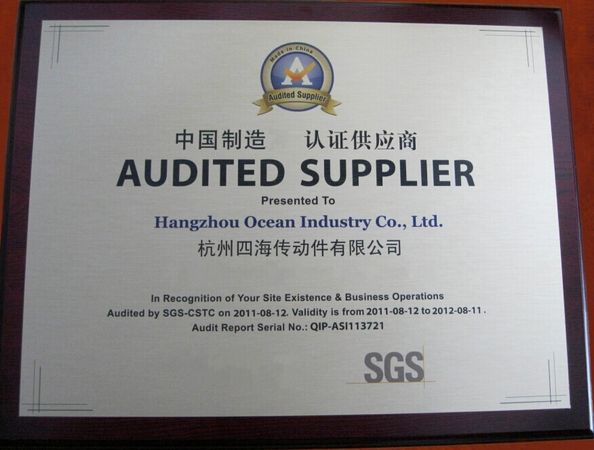
Certification

- I'm Online Chat Now
Company News
18CrNiMo7-6: A Comprehensive Guide to Properties, Heat Treatment, and Applications of a Premium Gear Steel
In the realm of high-end mechanical manufacturing, the demand for materials that can withstand heavy loads, extreme temperatures, and prolonged fatigue is ever-growing. Among the various alloy carburizing steels available, 18CrNiMo7-6 (specified under German Standard DIN 1.6587 and EN 10084) stands out as a benchmark material. Renowned for its exceptional toughness, fatigue resistance, and wear resistance, it finds widespread use in critical components such as heavy-duty gears, aircraft engine transmission parts, and wind turbine bearings. Compared to commonly used alternatives like 20CrMnTi and 20CrNiMo, 18CrNiMo7-6 boasts a higher nickel (Ni) content, making it ideal for large-section parts and high-load working conditions. This article delves into its chemical composition, mechanical properties, heat treatment processes, and industrial applications, providing valuable insights for engineering practitioners.

Chemical Composition of 18CrNiMo7-6
The chemical composition of 18CrNiMo7-6, as defined by DIN 1.6587/EN 10084 standards, is precisely controlled to ensure its superior performance. The specific composition ranges are presented in the table below:
| Element | Carbon (C) | Silicon (Si) | Manganese (Mn) | Chromium (Cr) | Nickel (Ni) | Molybdenum (Mo) | Sulfur (S) | Phosphorus (P) |
| Content (%) | 0.15~0.21 | ≤0.40 | 0.50~0.90 | 1.50~1.80 | 1.40~1.70 | 0.25~0.35 | ≤0.035 | ≤0.035 |
Roles of Key Alloying Elements
Nickel (Ni): Significantly enhances the steel's low-temperature toughness and hardenability while reducing the brittleness of the carburized layer. This element is crucial for ensuring the material's reliability in cold environments.
Chromium (Cr): Improves wear resistance and fatigue performance, and stabilizes the microstructure of the carburized layer. It helps the steel maintain its integrity under repeated stress cycles.
Molybdenum (Mo): Inhibits temper brittleness, increases high-temperature strength, and enhances creep resistance. This makes the steel suitable for applications exposed to elevated temperatures.
Comparison with Similar Materials
To better understand the uniqueness of 18CrNiMo7-6, it is helpful to compare it with other similar alloy steels:
| Material | Key Differences | Typical Application Scenarios |
| 18CrNiMo7-6 | High Ni content (1.4~1.7%), ultra-high hardenability | Wind turbine gears, aircraft gears, heavy-duty transmission shafts |
| 17CrNiMo6 | Slightly lower Ni content (with 1.5~1.8% Cr) | Gearboxes of heavy-duty trucks |
| 20CrNi2Mo | Lower Ni content (0.8~1.2%), more cost-effective | Medium-sized gears, construction machinery components |
Mechanical Properties of 18CrNiMo7-6
After undergoing carburizing, quenching, and low-temperature tempering—the core heat treatment process for this steel—18CrNiMo7-6 exhibits outstanding mechanical properties. The typical performance indicators are listed below:
| Performance Indicator | Value Range (Carburized and Quenched State) |
| Surface Hardness (HRC) | 58~62 |
| Core Hardness (HRC) | 35~45 |
| Tensile Strength (σb) | ≥1080 MPa |
| Yield Strength (σs) | ≥785 MPa |
| Elongation (δ5) | ≥10% |
| Impact Toughness (AKU, -40℃) | ≥35 J (maintains high toughness at low temperatures) |
Advantageous Characteristics
Excellent Hardenability: It can process large-section parts with a diameter exceeding 200 mm without forming a soft core, ensuring uniform performance across the entire part.
High Fatigue Limit: Well-suited for high-speed, heavy-load gears, such as those used in wind turbine gearboxes, which are subjected to constant cyclic stress.
Superior Low-Temperature Toughness: Maintains good impact performance even at -40℃, making it a top choice for equipment operating in extremely cold environments like the Arctic.
Heat Treatment of 18CrNiMo7-6
Proper heat treatment is essential to unlock the full potential of 18CrNiMo7-6. Two main heat treatment processes are commonly applied, depending on the intended use of the part.
1. Carburizing and Quenching (Core Process)
This process is primarily used for parts that require a hard surface and a tough core, such as gears.
Carburizing Temperature: 920℃ (with a controllable carbon potential of 1.2% C). This temperature ensures sufficient carbon diffusion into the steel surface.
Case Depth: 1.0~2.5 mm, which can be adjusted according to the size and specific requirements of the part. A deeper case depth provides better wear resistance for heavily loaded parts.
Quenching Methods:
Direct Quenching: After carburizing, the steel is cooled down to 820~850℃ and then quenched in oil. This method is efficient but may leave some residual austenite.
Reheated Quenching: The carburized part is reheated before quenching, which helps reduce residual austenite and improve dimensional stability.
Tempering: Conducted at 160℃ for 4 hours. This step relieves internal stresses generated during quenching and enhances the dimensional stability of the part.
Microstructural Features After Treatment
Surface Layer: Consists of high-carbon martensite, a small amount of residual austenite (<15%), and carbides. The carbides are the key to the steel's excellent wear resistance.
Transition Zone: Features a gradient hardness distribution, which avoids stress concentration between the hard surface and the tough core.
Core: Composed of low-carbon martensite or bainite, providing high toughness to absorb impact energy.
2. Quenching and Tempering (for Non-Carburized Parts)
This process is suitable for parts like high-strength shafts that do not require a carburized surface.
Quenching: The steel is heated to 850~880℃ and quenched in oil to form a martensitic structure.
Tempering: Performed at 550~650℃ followed by air cooling. This results in a tempered sorbite microstructure, which offers a good balance of strength and toughness for shaft applications.
Advantages, Disadvantages, and Applications of 18CrNiMo7-6
Advantages
Ultra-High Hardenability: Enables the manufacturing of extra-large gears and bearings, such as the main gears of wind turbines with diameters up to 2 meters.
Exceptional Fatigue Resistance: The strong bonding between the carburized layer and the core extends the service life of gears by more than 30% compared to 20CrMnTi.
Good Low-Temperature Toughness: It is the preferred material for Arctic wind power equipment and aircraft gears, where low-temperature performance is critical.
Wide Process Adaptability: Compatible with various strengthening processes, including carburizing, nitriding, and induction hardening, allowing for flexible customization based on application needs.
Disadvantages
High Cost: Due to its high nickel and molybdenum content, the price of 18CrNiMo7-6 is 2~3 times that of 20CrMo. This limits its use in cost-sensitive, non-critical applications.
Difficult Processing: Strict control over heat treatment deformation is required, which demands advanced equipment and skilled operators, increasing the overall manufacturing complexity and cost.
Typical Application Fields
Wind Power Industry:
Planetary gears in main gearboxes, which need to withstand megawatt-level alternating loads during wind turbine operation.
Yaw and pitch bearings, which require excellent low-temperature impact resistance to operate reliably in harsh wind farm environments.
Aerospace Industry:
Main reducer gears of helicopters, which must endure high rotational speeds and meet strict fatigue performance requirements to ensure flight safety.
Engine transmission shafts, where high strength and reliability are essential for the smooth operation of aircraft engines.
Heavy Machinery Industry:
Gearboxes of mining trucks, which are exposed to severe impact and wear during the transportation of minerals.
Transmission rolls of rolling mills, requiring high surface hardness to resist wear from metal sheets during the rolling process.
High-End Automotive Industry:
Gearboxes of Formula 1 racing cars, where the material's lightweight and high-strength properties contribute to the car's high-performance capabilities.
Conclusion
18CrNiMo7-6 represents the pinnacle of performance in carburized gear steels. Its high nickel-chromium-molybdenum alloy system endows it with unparalleled strength, toughness, and hardenability, making it the "go-to" material in high-end fields such as wind power, aerospace, and heavy machinery. Looking ahead, with the popularization of green heat treatment technologies (e.g., vacuum carburizing) and digital process control, the application potential of 18CrNiMo7-6 will be further unlocked. It will continue to play a crucial role in driving the advancement of high-performance mechanical systems, meeting the evolving demands of modern industry for more reliable and efficient materials.
Pub Time : 2025-09-30 09:09:22
>> News list
Contact Details
Hangzhou Ocean Industry Co.,Ltd
Contact Person: Mrs. Lily Mao
Tel: 008613588811830
Fax: 86-571-88844378