 |
|
|
|
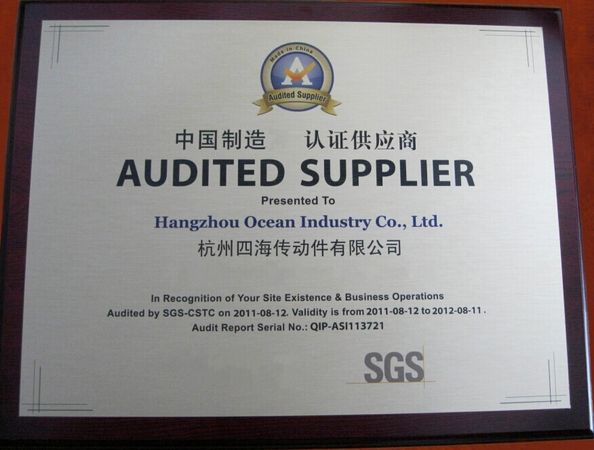
Certification

- I'm Online Chat Now
Company News
Austenitic Stainless Steel: Classification, Characteristics and Applications
Stainless steel is a versatile material widely used in various industries, and among its many types, austenitic stainless steel stands out for its exceptional properties and extensive applications, especially in pressure vessels. This article delves into the classification, key characteristics, and application scenarios of austenitic stainless steel to provide a comprehensive understanding of this essential industrial material.
Classification of Austenitic Stainless Steel
Austenitic stainless steel is primarily categorized based on its main alloying elements and carbon content, leading to distinct series that cater to different industrial needs.
Based on Main Alloying Elements
- Chromium-Nickel Austenitic Stainless Steel (300 Series): This is the most commonly used series of austenitic stainless steel, characterized by chromium (around 18%) and nickel as the core alloying elements. It is further divided into two sub-series:
- 18-8 Type: Named for its typical composition of 18% chromium and 8% nickel, this sub-series includes well-known grades such as 304, 316, 321, and 347. Each grade is enhanced with additional alloying elements to achieve specific properties—for example, 316 contains molybdenum for improved corrosion resistance in harsh environments.
- 25-20 Type: Designed for high-temperature applications, this sub-series features higher chromium (25%) and nickel (20%) content, enabling it to withstand extreme heat without losing structural integrity.
- Chromium-Nickel-Manganese Austenitic Stainless Steel (200 Series): As a cost-effective alternative to the 300 series, this series replaces part of the nickel with manganese. It maintains good austenitic structure and basic mechanical properties while reducing production costs, making it suitable for general-purpose applications where high corrosion resistance is not the primary requirement.
Based on Carbon Content
Austenitic stainless steel can also be classified into high-carbon and low-carbon types to meet different processing and service conditions:
- High-Carbon Grades: Represented by 304H, these grades have a higher carbon content, which enhances their strength at high temperatures, making them ideal for high-temperature structural components.
- Low-Carbon Grades: Such as 304L, these grades have reduced carbon content to minimize the risk of intergranular corrosion after welding or heat treatment. They are widely used in welded structures and corrosive environments.
- Super Austenitic Stainless Steel: Grades like 904L fall into this category, boasting extremely high corrosion resistance due to their optimized alloy composition (including high chromium, nickel, molybdenum, and copper). They are employed in highly corrosive environments such as chemical processing and marine applications.
Key Characteristics of Austenitic Stainless Steel
Austenitic stainless steel exhibits a unique combination of mechanical, thermal, and chemical properties that set it apart from other stainless steel types (e.g., ferritic and martensitic stainless steel).
Mechanical Properties
Compared to ferritic stainless steel, austenitic stainless steel has a lower yield strength but excellent work hardening ability after yielding. It also possesses superior ductility and toughness, allowing for extensive plastic deformation during processing (e.g., bending, stamping, and welding) without cracking. This makes it highly suitable for manufacturing complex-shaped components.
Thermal Properties
- Low-Temperature Performance: Unlike ferritic stainless steel, which has a body-centered cubic lattice and tends to exhibit low-temperature brittleness, austenitic stainless steel features a face-centered cubic lattice. This structure prevents the occurrence of low-temperature brittleness, enabling its use in cryogenic applications (e.g., liquid natural gas storage and transportation equipment).
- High-Temperature Performance: With good thermal stability and oxidation resistance at elevated temperatures, austenitic stainless steel can function reliably in high-temperature environments such as boilers, furnaces, and heat exchangers.
Processing and Strengthening Characteristics
Austenitic stainless steel exhibits significant work hardening during plastic deformation. This is mainly due to the transformation of metastable austenite into martensite under mechanical stress. Notably, heat treatment is not an effective method for strengthening austenitic stainless steel. Instead, cold working (e.g., cold rolling, cold drawing) is commonly used to improve its strength while maintaining its ductility and corrosion resistance.
Application Scenarios
Owing to its comprehensive properties, austenitic stainless steel is widely used across multiple industries:
- Pressure Vessels: It is a preferred material for pressure vessels due to its excellent corrosion resistance, toughness, and ability to withstand varying pressures and temperatures.
- Chemical Industry: Grades like 316 and 904L are used in chemical reactors, pipelines, and storage tanks to resist corrosion from acids, alkalis, and other aggressive chemicals.
- Food and Pharmaceutical Industries: The 304 grade, with its non-toxicity and easy cleaning properties, is extensively used in food processing equipment, pharmaceutical machinery, and medical devices.
- Aerospace and Automotive Industries: It is employed in components requiring high strength, corrosion resistance, and temperature stability, such as aircraft exhaust systems and automotive trim parts.
- Cryogenic Engineering: Due to its resistance to low-temperature brittleness, it is used in the construction of cryogenic storage tanks, pipelines, and other equipment for handling liquefied gases.
In conclusion, austenitic stainless steel, with its diverse classifications and outstanding properties, plays an indispensable role in modern industry. Understanding its characteristics and application scope helps in selecting the right grade for specific needs, ensuring optimal performance and reliability of industrial products and equipment. As technology advances, further improvements in alloy composition and processing techniques will continue to expand the application boundaries of austenitic stainless steel.
Pub Time : 2026-01-22 10:20:58
>> News list
Contact Details
Hangzhou Ocean Industry Co.,Ltd
Contact Person: Mrs. Lily Mao
Tel: 008613588811830
Fax: 86-571-88844378