 |
|
|
|
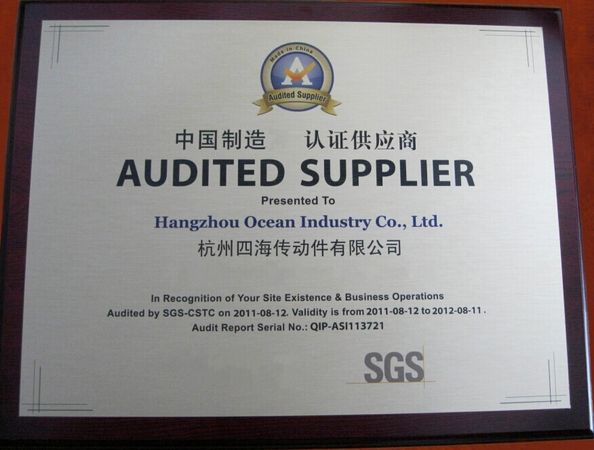
Certification

- I'm Online Chat Now
Company News
Electroplating: Metal Surface Treatment Process
Industry Knowledge: Electroplating Process & Surface Treatment Technology
Electroplating is a core surface modification technology widely applied in hardware, automotive, electronics, aerospace, home appliances, fasteners, and mechanical components. By utilizing electrolytic redox reactions, metal ions in a plating solution are reduced and deposited onto the surface of a workpiece, forming a uniform, dense, and well‑adhered metallic or alloy coating. This process fundamentally enhances product performance, including corrosion resistance, wear resistance, electrical conductivity, solderability, appearance decoration, and reflective properties. Below is a detailed professional introduction to mainstream electroplating processes, characteristics, applications, and quality control standards.
1. Zinc Electroplating
Zinc plating is the most economical and widely used anti‑corrosion surface treatment for carbon steel parts. Zinc is a relatively active metal that forms a stable passivation film in atmospheric environments, providing sacrificial anode protection for the base material.
Classification by Passivation Appearance
White Zinc Passivation: Clean silver‑white appearance, simple process, low cost. Corrosion resistance is relatively low, with a neutral salt spray test typically lasting 6–12 hours. Commonly used in low‑end fasteners, electronic casings, and general hardware.
Blue/White Zinc Passivation: Bright blue‑white luster, improved corrosion resistance reaching 8–24 hours. Popular in consumer electronics, small tools, and interior mechanical parts.
Color Zinc Passivation (Iridescent Yellow): Excellent corrosion resistance, often achieving 48–96 hours or longer in neutral salt spray. Widely used in automotive chassis components, outdoor fasteners, construction hardware, and high‑strength structural parts.
Black Passivation: Matte black appearance, good visual consistency, suitable for optical equipment, automotive interiors, and decorative structural components.
Process Notes
High‑strength steel, springs, and thin‑wall parts require hydrogen embrittlement removal baking after plating to prevent delayed fracture. Copper and copper alloy materials do not need hydrogen removal. Coating thickness generally ranges from 5–15 μm; thicker coatings significantly extend salt spray performance.
2. Chrome Plating
Chrome plating is divided into two major categories: decorative chrome plating and hard chrome plating, both famous for their bright silver‑white luster and high hardness.
Decorative Chrome Plating
Extremely thin coating thickness, usually only 0.1–0.3 μm. To ensure corrosion resistance, it is always applied over multi‑layer composite coatings, typically a copper‑nickel‑chrome system. This structure delivers excellent brightness, strong adhesion, and effective corrosion protection, making it ideal for automotive exterior parts, bathroom fixtures, furniture hardware, and decorative accessories. Although thin, the coating provides excellent surface hardness and scratch resistance.
Hard Chrome Plating
A functional engineering coating with thickness usually between 2–50 μm or even thicker. It features extremely high surface hardness (900–1200 HV), outstanding wear resistance, low friction coefficient, and heat resistance. It is widely used in hydraulic cylinders, engine pistons, molds, transmission shafts, valves, and wear components. Hard chrome exhibits good stability in alkalis, nitric acid, and organic solvents but dissolves in hydrochloric acid and hot concentrated sulfuric acid. Post‑plating sealing treatment can further improve corrosion resistance.
3. Nickel Plating
Nickel plating is a versatile process with high hardness, good polishability, and strong corrosion resistance. It is often used as an intermediate layer in multi‑layer plating systems to enhance adhesion and corrosion protection.
Main Types
Bright Nickel: Smooth, mirror‑like surface, excellent decorative performance, commonly used in the top layer or middle layer of electroplated products.
Semi‑Bright Nickel: Low internal stress, good ductility, used to improve overall corrosion resistance in multi‑layer nickel systems.
Dull Nickel: Matte gray surface, easy to polish, primarily used as a primer coating.
Pearl Nickel / Satin Nickel: Soft, elegant luster between bright and dull, widely used in high‑end bathroom products, door handles, and consumer electronics.
Black Nickel: Uniform black appearance, mostly used in optical instruments and decorative parts requiring low light reflection.
Application Characteristics
Nickel coatings have stable performance in atmospheric and alkaline environments. For steel and zinc alloy workpieces, pre‑plating a thin copper layer is recommended to improve adhesion and prevent penetration corrosion. Nickel plating is also widely used in electronic components to improve solderability and surface conductivity.
4. Quality Control & Performance Testing Standards
Professional electroplating manufacturers implement strict quality inspection systems to ensure coating stability and reliability.
Coating Thickness Testing: Measured using X‑ray fluorescence (XRF) thickness gauges to verify compliance with design specifications.
Neutral Salt Spray Test (NSS): The most common accelerated corrosion test to evaluate anti‑rust performance.
Adhesion Test: Includes cross‑cut tape test, bending test, and thermal shock test to ensure the coating does not blister, peel, or flake.
Hardness Test: Used for functional coatings such as hard chrome to verify mechanical strength.
Appearance Inspection: Uniform color, no pinholes, pits, burrs, exposed base material, or poor passivation.
5. Industry Application Summary
Zinc Plating: Dominates the market for cost‑effective anti‑corrosion treatment of steel parts.
Nickel Plating: Serves as a high‑performance intermediate layer and decorative functional coating.
Chrome Plating: Provides premium appearance, high hardness, and wear resistance for demanding applications.
With the upgrading of environmental regulations, the electroplating industry is gradually developing toward trivalent passivation, non‑toxic electrolytes, automated production lines, and low‑carbon processes. High‑quality electroplating not only improves product durability but also enhances brand value and market competitiveness.
Pub Time : 2026-04-13 09:21:24
>> News list
Contact Details
Hangzhou Ocean Industry Co.,Ltd
Contact Person: Mrs. Lily Mao
Tel: 008613588811830
Fax: 86-571-88844378