 |
|
|
|
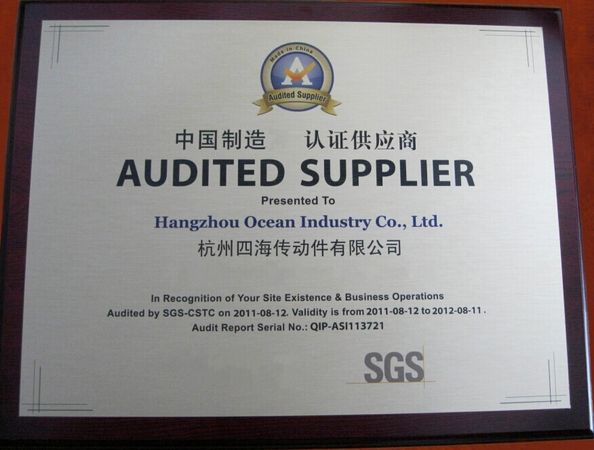
Certification

- I'm Online Chat Now
Company News
Industry Knowledge: Key Facts About Stainless Steel
Stainless steel is widely favored for its aesthetic appeal, corrosion resistance, and durability. However, common misconceptions often arise regarding its performance, such as whether it can rust and the relationship between magnetism and quality. This article aims to clarify these critical industry knowledge points.

1. Can Stainless Steel Rust?
The answer is yes—stainless steel can rust under specific conditions. Stainless steel possesses two core properties: rust resistance (ability to resist atmospheric oxidation) and corrosion resistance (ability to withstand acids, alkalis, and salts). Nevertheless, its corrosion resistance varies based on factors including chemical composition, processing state, service conditions, and environmental media.
For instance:
- 304 stainless steel exhibits excellent rust resistance in dry and clean atmospheres but tends to rust quickly in coastal areas with salt-rich sea mist.
- 316 stainless steel, on the other hand, performs well in such marine environments due to its enhanced corrosion resistance.
Why Does Rust Occur?
Stainless steel relies on a thin, dense, and stable chromium-rich oxide film (protective film) on its surface to prevent oxygen penetration and further oxidation. Rust forms when this film is damaged, allowing oxygen from air or liquids to infiltrate and iron atoms to separate, resulting in loose iron oxide. Common causes of film damage include:
- Electrochemical corrosion: Dust or foreign metal particles on the surface form a micro-battery with stainless steel via condensed water in humid air, triggering electrochemical reactions that damage the film.
- Organic acid corrosion: Organic juices adhering to the surface react with water and oxygen to form organic acids, which corrode the metal over time.
- Localized corrosion: Exposure to acids, alkalis, or salts (e.g., alkaline water or lime water from wall decoration).
- Chemical corrosion: In polluted air containing sulfides, carbon monoxide, or nitrogen oxides, condensed water forms sulfuric acid, nitric acid, or acetic acid droplets that corrode the surface.
Prevention Measures
- Regularly clean and wipe decorative stainless steel surfaces to remove attachments and eliminate external corrosion triggers.
- Use 316 stainless steel in coastal areas to resist seawater corrosion.
- Select products from reputable manufacturers to ensure chemical compositions meet national standards (e.g., 304 grade requirements).
2. Magnetism and Stainless Steel Quality: A Misconception
A common myth is that magnetism indicates stainless steel quality—non-magnetic materials are considered genuine, while magnetic ones are deemed counterfeit. This is incorrect. Magnetism in stainless steel depends on its microstructure, not quality.
Classification of Stainless Steel by Microstructure (at Room Temperature)
| Category | Common Grades | Magnetism |
|---|---|---|
| Austenitic | 201, 202, 301, 304, 316 | Non-magnetic or weakly magnetic |
| Martensitic/Ferritic | 430, 420, 410 | Magnetic |
Why Do Some Austenitic Stainless Steels (e.g., 304) Show Weak Magnetism?
- Segregation during smelting or improper heat treatment may result in small amounts of martensitic or ferritic structures in austenitic 304 stainless steel, leading to weak magnetism.
- Cold working (e.g., bending, forming) converts part of the austenitic structure to martensite. Greater deformation (e.g., in rectangular tubes compared to circular tubes) increases magnetism.
How to Distinguish Grades via Magnetism?
- Weakly magnetic or non-magnetic stainless steel is likely 304 or 316 (austenitic grades).
- Strong magnetism, similar to carbon steel, indicates it is not 304 (likely martensitic/ferritic grades like 430).
Note: Weak magnetism in 304 stainless steel can be eliminated via high-temperature solution treatment to restore the stable austenitic structure.
3. Key Stainless Steel Grade Series and Applications
Stainless steel is classified by composition into four main series, each with distinct properties and use cases:
200 Series (Chromium-Nickel-Manganese Austenitic)
- Cost-effective alternative to 300 series.
- Suitable for general decorative and low-corrosion environments.
300 Series (Chromium-Nickel Austenitic)
Pub Time : 2026-01-23 09:25:54
>> News list
Contact Details
Hangzhou Ocean Industry Co.,Ltd
Contact Person: Mrs. Lily Mao
Tel: 008613588811830
Fax: 86-571-88844378