 |
|
|
|
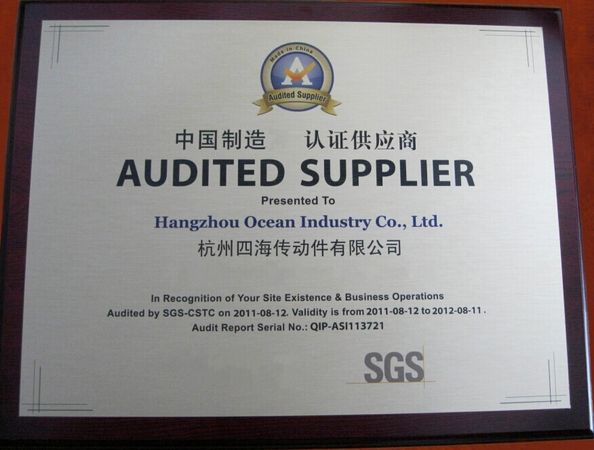
Certification

- I'm Online Chat Now
Company News
Introduction to PTO Shafts and Yokes
Introduction to PTO Shafts and Yokes
PTO (Power Take-Off) shafts and yokes are critical components in agricultural machinery and various industrial applications. Their performance significantly depends on the materials used and the heat treatment processes applied during manufacturing. The right combination enhances strength, durability, and overall functionality, making it crucial to choose the appropriate materials and treatments.
Comparison of Materials: Carbon Steel vs. Alloy Steel
When it comes to materials, carbon steel and alloy steel are predominant choices for PTO shafts and yokes. Carbon steel, known for its high tensile strength, is primarily composed of iron and carbon. Its properties include good machinability and reasonable cost-effectiveness. However, it may exhibit lower toughness compared to alloy steel, particularly in extreme conditions.
Alloy steel, which incorporates elements such as chromium, nickel, and molybdenum, offers enhanced mechanical properties. The addition of these elements contributes to improved tensile strength and corrosion resistance, making alloy steel a preferred option for PTO applications that require high durability. The cost may be higher, yet the long-term advantages in performance and lifespan often justify the investment.
Heat Treatment Processes: Quenching, Tempering, and Carburizing
Heat treatment is pivotal for enhancing the mechanical properties of both carbon and alloy steels. Quenching, a process that involves rapid cooling of the metal, increases hardness. However, if conducted improperly, it can also lead to brittleness. This method is often followed by tempering, which is a reheating process that relieves internal stresses and improves toughness. Together, quenching and tempering provide a balanced approach for achieving optimal strength and durability.
Another noteworthy heat treatment process is carburizing, which introduces carbon into the surface layer of low carbon steel to create a hard, wear-resistant case. This makes carburized components exceptionally tough while retaining a softer core that enhances resilience under stress. The combination of carburizing with materials like alloy steel can yield remarkable properties, suitable for heavy-duty applications.
Conclusion
In conclusion, the selection of materials and heat treatment processes for PTO shafts and yokes plays a significant role in determining their performance and longevity. While carbon steel offers affordability and adequate strength, alloy steel presents superior toughness and resilience, justifying its higher cost. The heat treatment processes, including quenching, tempering, and carburizing, further improve the durability and wear resistance of these components. Ultimately, understanding these factors enables manufacturers to produce reliable PTO systems that meet the demanding requirements of various industrial applications.
Pub Time : 2026-04-08 10:00:30
>> News list
Contact Details
Hangzhou Ocean Industry Co.,Ltd
Contact Person: Mrs. Lily Mao
Tel: 008613588811830
Fax: 86-571-88844378