 |
|
|
|
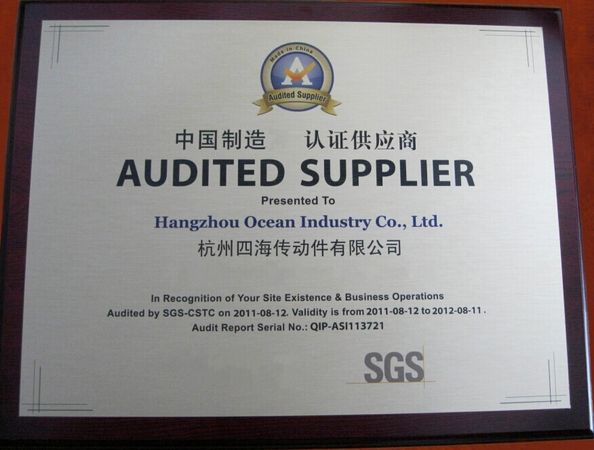
Certification

- I'm Online Chat Now
Company News
Palm Oil Conveyor Chains: Key Industry Knowledge & Application Features
Palm oil conveyor chains are indispensable core transmission and conveying equipment in the entire palm oil processing industry chain, serving all production links from fresh palm fruit bunch harvesting and workshop feeding to crude oil extraction, residue separation, finished product transportation and waste treatment. As a specialized heavy-duty industrial chain product, it is completely different from ordinary civilian and general mechanical conveyor chains, with targeted design and manufacturing upgrades adapted to the high-temperature, high-humidity, corrosive and high-abrasion harsh working environment of palm oil mills. It is widely deployed in large-scale palm oil processing plants in Southeast Asia, Africa, South America and other major palm-producing regions, and its service performance, stability and durability directly determine the continuous operation efficiency, production capacity and operating cost of the entire palm oil production line.
The operating environment of palm oil processing factories poses extreme comprehensive challenges to conveyor chain components. During the whole production process, the equipment needs to run 24 hours a day with no shutdown throughout the palm oil harvest season, bearing long-term heavy loads and frequent impact loads. In the pretreatment workshop, the chains are exposed to fresh palm fruit bunches, fruit stalks, fibrous debris and viscous pulp, which easily adhere to the gaps of chain links, pins and bushings, causing blocking and abrasive wear. In the sterilization and cooking process, the equipment operates in a high-temperature steam environment of 100℃ to 150℃ for a long time, accompanied by high air humidity, which is easy to cause oxidation, rust and thermal fatigue of metal parts. In the oil extraction and residue separation stage, the chains will be eroded by crude palm oil, acidic organic liquids decomposed from palm fruit, and mixed mud composed of oil, water and plant fibers, leading to chemical corrosion and accelerated aging of the chain surface. The superposition of mechanical wear, high-temperature aging and chemical corrosion is the core reason why ordinary standard chains cannot adapt to palm oil production scenarios.
In terms of product classification and application scenarios, palm oil conveyor chains have formed a mature and differentiated product system according to different production processes and conveying materials. First, heavy-duty scraper conveyor chains are the most widely used type, mainly used for conveying empty fruit bunches, palm fiber residues, shell residues and other light and bulk waste materials. Equipped with customized bending attachments and wear-resistant scrapers, this type of chain can efficiently push and lift loose materials, avoiding material slipping and accumulation during conveying. Second, cast link conveyor chains and thickened roller chains are applied to high-load links such as feeding sterilizers, lifting fruit bunches and discharging digesters. These chains adopt thickened chain plates, enlarged-diameter pins and high-strength rollers, with ultra-high tensile breaking load and impact resistance, which can cope with instantaneous heavy impact when a large number of palm fruit bunches fall.
In addition, double-pitch conveyor chains and special attachment chains are commonly used in the fine conveying link of palm kernels and crude oil auxiliary transmission. The extended pin design and customized accessory structure of the chain can match the trough conveyor and bucket elevator equipment of palm oil mills, realizing stable and low-noise material conveying. For special working conditions such as underwater conveying and slurry mixing in the production line, manufacturers will also provide fully customized anti-corrosion conveyor chains with overall heat treatment and special surface coating treatment to meet extreme environmental operation requirements.
Material selection and heat treatment technology are the core factors that determine the service life and comprehensive performance of palm oil conveyor chains. High-quality palm oil special chains mostly adopt high-quality alloy steel raw materials such as 40Cr, 42CrMo and 35CrMnSi, which have better comprehensive mechanical properties than ordinary carbon steel. In the production process, all chain plates, pins, bushings and rollers undergo strict overall quenching and tempering heat treatment to ensure the overall toughness and structural stability of the chain and prevent fracture and deformation under long-term heavy load. At the same time, key friction parts such as pin shafts and bushings adopt surface carburizing, nitriding or high-frequency quenching processes to form a high-hardness wear-resistant layer on the surface, which greatly improves the anti-abrasion ability against palm fiber, solid particles and mud friction.
In order to adapt to the corrosive environment of palm oil workshops, qualified products will also undergo surface anti-rust treatment such as blackening, oil sealing or galvanizing, which can effectively isolate the erosion of high-temperature steam, acidic organic matter and crude palm oil, delay metal oxidation and corrosion, and greatly extend the service cycle of the chain. Inferior chains often use ordinary carbon steel and simplified heat treatment processes, which are prone to chain plate deformation, pin wear, chain elongation and even sudden fracture in a short period of use, resulting in production line shutdown losses.
Standardized daily maintenance and scientific operation management are essential to maintain the long-term stable operation of palm oil conveyor chains. Due to the easy adhesion of palm fiber, oil sludge and impurities in the production environment, the chain gap will be blocked after long-term operation, which will affect the flexibility of the chain hinge and aggravate local wear. Therefore, enterprises need to formulate regular cleaning mechanisms to thoroughly remove residual fibers and oil dirt on the chain surface and inside the gaps. In terms of lubrication, ordinary lubricating oil is easy to fail and deteriorate in high-temperature and oily environments. It is necessary to select special high-temperature and oil-resistant lubricants for industrial chains, and carry out regular quantitative lubrication to reduce the friction coefficient between pins and bushings.
In addition, the operation and maintenance personnel need to regularly detect the elongation rate of the conveyor chain, check the wear degree of sprockets, chain plates and rollers, and adjust the chain tension in time. It is worth noting that the matching sprockets and chains need to be replaced synchronously when worn, so as to avoid tooth jumping, chain deviation and abnormal impact caused by mismatched wear, and eliminate potential safety hazards in production. During the peak palm oil production season, the operation load of the equipment increases sharply, and the frequency of inspection and maintenance should be appropriately improved to ensure zero failure and continuous operation of the production line.
From the perspective of industry quality standards and market application trends, palm oil conveyor chains belong to customized industrial consumables with high technical thresholds, and their quality inspection covers multiple core indicators such as ultimate tensile load, fatigue resistance, surface hardness, dimensional tolerance and corrosion resistance. International palm oil giants and large processing enterprises in Southeast Asia usually require products to pass third-party professional mechanical performance testing and environmental adaptation testing, and put forward strict requirements on raw material traceability, production process control and product batch stability.
In recent years, with the continuous expansion of global palm oil production capacity and the continuous upgrading of palm oil processing technology, the industry has put forward higher comprehensive requirements for conveyor chains. In addition to basic wear resistance and load resistance, energy-saving and low-noise operation, ultra-long service life, strong anti-corrosion performance and personalized customized design have become the mainstream development directions of the industry. High-quality palm oil conveyor chains can effectively reduce the frequency of equipment replacement and maintenance downtime, greatly reduce the overall operating and maintenance costs of the factory, and play a vital role in improving the automated and intelligent operation level of the entire palm oil processing production line.
Pub Time : 2026-09-30 09:19:04
>> News list
Contact Details
Hangzhou Ocean Industry Co.,Ltd
Contact Person: Mrs. Lily Mao
Tel: 008613588811830
Fax: 86-571-88844378