 |
|
|
|
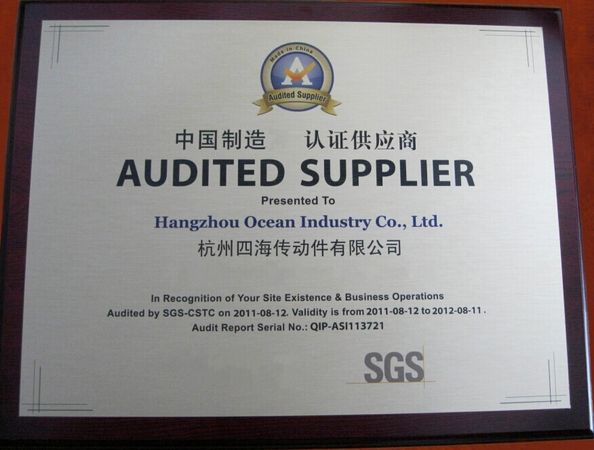
Certification

- I'm Online Chat Now
Company News
Steel Pretreatment Process
Steel pretreatment refers to the process of removing surface scale, rust, oil stains and moisture from steel before application. It further forms protective films or ideal roughness via physical or chemical methods. The core purposes are rust prevention, enhancement of coating adhesion and compliance with subsequent processing requirements.
1. Mechanical Derusting Process
It is the most widely adopted and core technology in steel structure manufacturing, designed to eliminate corrosion and scale while forming required anchor pattern roughness.
1.1 Shot Blasting
As the mainstream factory pretreatment method, it uses high-speed rotating impellers to project steel shots, steel grit or mixed abrasives onto the steel surface. The impact force removes contaminants efficiently, achieving simultaneous derusting and surface strengthening with uniform roughness for superior coating adhesion.
- Features: Fully enclosed, automated and eco-friendly; cleanliness reaches Sa2.5 (standard for heavy-duty anti-corrosion coating) or higher Sa3 grade.
- Roughness: Controlled at Rz 40-75μm, providing anchoring points for primer.
- Application: Steel plates, section steels and large integral structural components.
1.2 Sand Blasting
A flexible and mobile process that uses compressed air to spray abrasives such as copper slag, quartz sand and steel grit at high velocity.
- Advantages: Handles complex structures, dead corners and large on-site storage tanks inaccessible to shot blasting.
- Limitations: High dust emission and lower efficiency than shot blasting. Derivatives include suction-type, pressure-type and liquid sand blasting. Hard angular steel grit creates ideal rough substrates for metal thermal spraying. On-site operation requires dust control and abrasive recovery for environmental compliance.
1.3 Manual & Power Tool Derusting
A basic auxiliary method for local repairing and non-critical areas, using wire brushes, grinding wheels and needle scalers.
- Cleanliness grades: St2 (free of loosely attached scale and rust) and St3 (exposed metallic luster).
- Application: Welding groove cleaning, coating repair and supplementary pretreatment; not applicable for standalone heavy-duty anti-corrosion surfaces.
1.4 High-Pressure Water Jet Derusting
An eco-friendly modern technology using ultra-high-pressure pure water (or with mild abrasives) to form water jets.
- Strengths: Spark-free, suitable for flammable and explosive environments; removes old coatings, rust and soluble salts simultaneously.
- Unique value: Eliminates chloride ions for offshore structures, outperforming traditional sand blasting. Treated surfaces require immediate coating after drying to avoid flash rust.
2. Chemical Pretreatment Process
It removes oil and rust via chemical reactions and forms protective films, widely used in automated surface treatment lines.
2.1 Pickling
Effectively removes hot-rolled steel heavy scale.
- Hydrochloric acid: Room-temperature operation, fast derusting, low hydrogen embrittlement risk and good surface finish; requires ventilation due to strong volatilization.
- Sulfuric acid: Low cost and low acid mist but prone to hydrogen embrittlement and residue; must be used with corrosion inhibitors.
- Standard workflow: Pre-degreasing → Water rinsing → Pickling → Water rinsing → Neutralization → Water rinsing → Post-treatment.
2.2 Phosphating
A critical pre-coating process for automotive and home appliance steel sheets. Steel reacts in phosphate solution to form dense, water-insoluble crystalline phosphate films.
- Functions: Greatly boosts coating adhesion like micro anchors; restrains corrosion spread under damaged coatings, ideal for electrophoretic painting.
- Main types: Zinc phosphating (for electrophoresis), iron phosphating (cost-effective) and zinc-calcium phosphating.
2.3 Passivation
Usually applied after phosphating or pickling. Passivators seal micropores of phosphating films, improving short-term rust resistance and stabilizing film-coating bonding. Omission will severely weaken treatment effects.
2.4 Degreasing & Deoiling
A prerequisite for all subsequent processes; residual oil causes coating peeling.
- Common methods: Hot alkaline solution soaking/spraying, emulsifying cleaning, organic solvent wiping and ultrasonic cleaning.
- Acceptance standard: Continuous and uniform water film without shrinkage or droplet formation on the steel surface.
3. Integrated Steel Pretreatment Production Line
Common in shipyards and steel structure factories, integrating all processes into one automated line:
- Feeding & Straightening: Multi-roll straightener eliminates residual stress for flat steel plates.
- Preheating: Heated to around 40℃ to remove moisture, reduce oil viscosity and facilitate shot blasting.
- Shot Blasting Cleaning: Pass-through shot blasting machines with multiple blasting heads achieve Sa2.5 grade and specified roughness in one pass.
- Automatic Cleaning & Dedusting: Roller brushes and high-pressure fans completely remove residual abrasives and dust.
- Pub Time : 2026-05-28 10:20:15 >> News list
Contact Details
Hangzhou Ocean Industry Co.,Ltd
Contact Person: Mrs. Lily Mao
Tel: 008613588811830
Fax: 86-571-88844378