 |
|
|
|
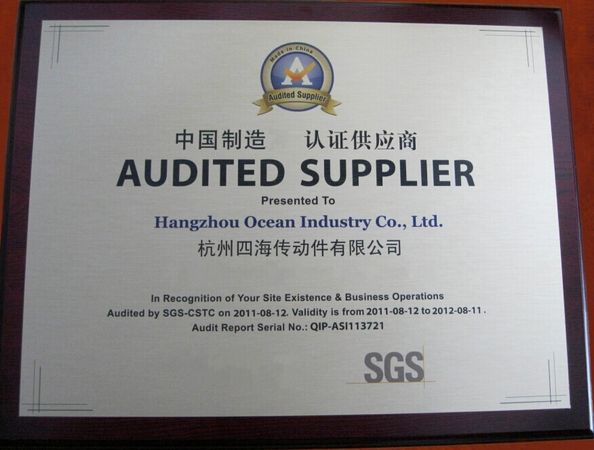
Certification

- I'm Online Chat Now
Company News
The 10 Most Commonly Used Materials in Custom Machinery: A Complete Guide Source:
Introduction
Choosing the right material is one of the most critical decisions in custom machinery design. The material affects everything from structural integrity and weight to cost efficiency and longevity.
This comprehensive guide covers the 10 most frequently used materials in non-standard machinery, spanning metals, engineering plastics, and specialty materials. These materials cover approximately 90% of practical applications, making them essential knowledge for engineers, designers, and manufacturers.
1. 6061 Aluminum Alloy
Overview
6061-T651 is a high-quality aluminum alloy that undergoes heat treatment and pre-stretching. It offers excellent machinability, easy welding and plating, superior corrosion resistance, and minimal deformation after processing.
Key Properties
Property Value
Density 2.75 g/cm³
Elastic Modulus 68.9 GPa
Poisson's Ratio 0.330
Yield Strength 55.2 MPa
Surface Treatments
Natural anodizing (clear coat)
Colored anodizing (various colors available)
Sandblasting (80 or 120 grit recommended before anodizing for optimal finish)
Applications
Aerospace Industry:
Aircraft skin panels
Equipment components
Rocket parts
Transportation:
Automobile body panels
Metro railcar components
Wheel hubs
Why Choose 6061 Aluminum? It is the preferred material for lightweight applications where corrosion resistance is essential. Its excellent strength-to-weight ratio and formability make it ideal for components that must be both durable and light.
2. 45 Steel (Medium Carbon Steel)
Overview
45 Steel is a premium carbon structural steel with a carbon content of 0.42%-0.50%. It has good machinability and excellent comprehensive mechanical properties after heat treatment.
Key Properties
Property Value
Carbon Content 0.42% - 0.50%
Density 7.85 g/cm³
Elastic Modulus 210 GPa
Poisson's Ratio 0.31
Yield Strength 355 MPa
Hardness (After Quenching) HRC 55-58
Hardness (After Tempering) HRC 20-30
Surface Treatments
Chrome plating
Nickel plating
Black oxide (oxide blackening)
Heat Treatment
Quenching: Significantly improves hardness, wear resistance, and service life
Tempering: Achieves optimal balance of strength and toughness
Applications
45 Steel is widely used for critical structural components:
Connecting rods
Bolts and fasteners
Gears
Shafts
Crankshafts
Why Choose 45 Steel? It offers an excellent balance of machinability, strength, and cost-effectiveness. After proper heat treatment, it achieves the hardness and durability required for high-stress mechanical components.
3. Q235 Steel (Carbon Structural Steel)
Overview
Q235, also known as A3 steel plate, is a general-purpose carbon structural steel. The "Q" denotes yield limit, and "235" indicates a yield strength of approximately 235 MPa. It comes in four quality grades: A, B, C, and D.
Key Properties
Property Value
Alternative Name A3 Steel Plate
Quality Grades A, B, C, D
Density 7.85 g/cm³
Poisson's Ratio 0.25 - 0.33
Yield Strength 235 MPa
Surface Treatments
Powder coating (plastic coating)
Baking paint
Advantages
Low carbon content
Balanced strength, plasticity, and weldability
Excellent cost-performance ratio
Applications
Q235 is ideal for cost-sensitive structural applications:
Building and construction: steel reinforcement, factory buildings, steel frames
Infrastructure: bridge components, transmission towers
Industrial: boiler shells, containers, machine frames
Why Choose Q235 Steel? It provides reliable performance at an affordable price. Perfect for non-critical structural members where high strength is not required but cost efficiency is essential.
4. S304 Stainless Steel (304 Stainless Steel)
Overview
S304 stainless steel corresponds to the Japanese SUS304 standard and Chinese GB standard 0Cr18Ni9. It offers excellent heat resistance, corrosion resistance, low-temperature strength, and mechanical properties.
Key Properties
Property Value
Japanese Standard SUS304
Chinese Standard 0Cr18Ni9
Density 7.93 g/cm³
Poisson's Ratio 0.394
Yield Strength 205 MPa
Key Characteristics
Excellent corrosion and heat resistance
Superior formability for stamping and bending
No heat treatment hardening
Non-magnetic
Surface Treatments
Brushed finish
Mirror polishing
Applications
Industry Typical Applications
Food Processing Storage tanks, conveyor systems
Chemical Industry Reaction vessels, pipelines
Medical Surgical instruments, hospital equipment
Household Kitchen cabinets, water heaters, bathtubs
Automotive Trim components, exhaust systems
Construction Architectural panels, railings
Marine Ship decks, hull fittings
Why Choose S304 Stainless Steel? It is the go-to material when corrosion resistance and hygiene are paramount. Essential for food processing, medical devices, and any application requiring cleanliness and durability.
5. POM (Polyoxymethylene / Acetal)
Overview
Also known as "Delrin" or "Acetal", POM is an engineering plastic with a density of 1.39 g/cm³. Its performance closely approaches that of metals, earning it the nickname "steel substitute."
Key Advantages
High hardness, strength, and stiffness
Excellent self-lubricating properties
Outstanding wear and fatigue resistance
Good chemical resistance
Cost-effective alternative to metals
Applications
POM is ideal for components requiring wear resistance and self-lubrication:
Gears and pinions
Bearings and bushings
Slides and guide rails
Cam followers
Food processing machinery (FDA compliant grades available)
Why Choose POM? It can replace brass, aluminum, bronze, and steel in many applications, significantly reducing weight and cost while maintaining excellent mechanical performance.
6. Polyurethane (PU)
Overview
Polyurethane is one of the most versatile polymer materials, with applications spanning virtually every industry.
Industry Applications
Industry Applications
Mining & Metallurgy Screen plates, shaking tables
Mechanical Engineering Rollers, conveyor belts, seals
Automotive Tires, O-rings, gaskets, suspension bushings
Light Industry Shoe soles, synthetic leather, fibers
Construction Waterproofing materials, flooring, sealants
Medical Implants, medical tubing
Aerospace Sealants, composite materials
Electronics Encapsulation, insulation
Key Advantages
Extremely versatile formulation options
Excellent abrasion resistance
Good oil and chemical resistance
Wide hardness range (from soft elastomers to rigid plastics)
Outstanding fatigue resistance
Why Choose Polyurethane? Its formulation flexibility allows engineers to customize properties for specific applications, making it suitable for everything from soft cushioning to heavy-duty industrial components.
7. Acrylic (PMMA / Plexiglass)
Overview
Acrylic, also known as PMMA (Polymethyl Methacrylate) or Plexiglass, is a transparent thermoplastic with over 92% light transmittance—surpassing even glass.
Key Properties
Property Value
Light Transmittance > 92%
Density ~1.18 g/cm³ (half the weight of glass)
Alternative Names PMMA, Plexiglass, Acrylic Sheet
Advantages
Superior transparency — clearer than glass
Soft, diffused light quality
Excellent weather resistance
High surface hardness and gloss
Good high-temperature resistance (compared to other plastics)
Easy to fabricate (thermoform or machine)
Safe — does not shatter into sharp fragments
Good chemical resistance
Printable and paintable for decorative effects
Limitations
Lower heat resistance compared to other materials
Flammable — requires careful handling in high-heat applications
Applications
Perfect for applications requiring transparency, aesthetics, and durability:
Architecture: skylights, partitions, display cases
Advertising: light boxes, sign boards, point-of-purchase displays
Protection: safety shields, machine guards, protective barriers
Displays: product showcases, museum exhibits, retail fixtures
Why Choose Acrylic? It offers the clarity of glass with half the weight, none of the shattering risk, and far greater design flexibility through thermoforming and fabrication.
8. Alumina Ceramic (Aluminum Oxide)
Overview
Alumina ceramic, with aluminum oxide (Al₂O₃) as its main component, is widely used in thick-film integrated circuits and high-performance industrial applications.
Key Properties
Property Value
Rockwell Hardness HRA 80-90
Density 3.5 g/cm³ (half that of steel)
Wear Resistance 266× that of manganese steel
Wear Resistance 171.5× that of high-chromium cast iron
Advantages
Extremely high hardness — second only to diamond
Exceptional wear resistance
Lightweight — only half the weight of steel
Excellent electrical insulation
High mechanical strength
Outstanding high-temperature resistance
Applications
Alumina ceramic excels in demanding environments:
Electronic components: circuit substrates, insulators
Industrial wear parts: liners, nozzles, chutes
High-temperature equipment: furnace components, crucibles
Precision components: bearings, seal faces, cutting tools
Why Choose Alumina Ceramic? When your application demands extreme hardness, wear resistance, and thermal stability, alumina ceramic provides performance that no metal can match—while being significantly lighter.
9. PVC (Polyvinyl Chloride)
Overview
PVC is the most produced plastic globally and offers the lowest cost among common engineering plastics.
Cost Comparison
PVC < Acrylic < PC (Polycarbonate)
Key Characteristics
Lowest cost among structural plastics
Excellent chemical resistance
Good weatherability
Versatile processing (extrusion, injection molding, calendering)
Good electrical insulation
Applications
Category Examples
Piping Systems Water pipes, drainage, conduit
Profiles Window frames, door frames, railings
Sheets Wall panels, signage substrates
Packaging Blister packs, cling film, bottles
Construction Flooring, roofing membranes, waterproofing
Consumer Products Rain boots, hose, toys
Why Choose PVC? It is the budget-friendly choice for applications where extreme performance is not required but cost efficiency is critical.
10. Nylon (PA / Polyamide)
Overview
Also known as polyamide (PA) or nylon, this engineering plastic is widely used across mechanical industries for its excellent wear resistance and self-lubricating properties.
Alternative Names
Nylon
Polyamide (PA)
Perlon (regional name)
Key Advantages
Excellent toughness and impact resistance
Self-lubricating properties
Outstanding wear resistance
Good chemical resistance
High fatigue resistance
Accepts reinforcement (glass fiber, carbon fiber)
FDA-compliant grades available
Applications
Nylon is the workhorse of mechanical engineering plastics:
Gears and worm gears
Bearings and bearing cages
Bushings and wear pads
Seals and O-rings
Cable ties and fasteners
Structural components (glass-filled grades)
Why Choose Nylon? It offers the best combination of toughness, wear resistance, and self-lubrication among engineering plastics, making it ideal for dynamic mechanical applications.
Comprehensive Material Comparison
# Material Category Density (g/cm³) Yield Strength (MPa) Key Characteristics Typical Applications
1 6061 Aluminum Metal 2.75 55.2 Lightweight, corrosion-resistant, easily machined Aircraft skin, auto body, hubs
2 45 Steel Metal 7.85 355 Good machinability, excellent heat treatment response Connecting rods, bolts, gears, shafts
3 Q235 (A3 Steel) Metal 7.85 235 Cost-effective, good weldability, balanced properties Buildings, frames, bridges, machine beds
4 S304 Stainless Metal 7.93 205 Corrosion-resistant, hygienic, non-magnetic Medical devices, food equipment, chemical tanks
5 POM (Acetal) Engineering Plastic 1.39 — Self-lubricating, wear-resistant, metal substitute Gears, bearings, slides, bushings
6 Polyurethane (PU) Polymer — — Extremely versatile, abrasion-resistant, wide hardness range Tires, seals, rollers, industrial parts
7 Acrylic (PMMA) Polymer ~1.18 — 92%+ transparency, lightweight, shatter-resistant Light boxes, displays, protective shields
8 Alumina Ceramic Ceramic 3.5 — Ultra-hard, wear-resistant, high-temp stable Wear liners, electronic substrates, insulators
9 PVC Commodity Plastic — — Lowest cost, high volume production Pipes, profiles, packaging, construction
10 Nylon (PA) Engineering Plastic — — Tough, self-lubricating, fatigue-resistant Gears, bearings, seals, structural parts
Material Selection Quick Reference
By Application Type
Need Recommended Materials
Lightweight 6061 Aluminum, POM, Acrylic
High Strength 45 Steel, Q235, S304 Stainless
Corrosion Resistance S304 Stainless, PVC, POM
Wear Resistance POM, Nylon, Alumina Ceramic, Polyurethane
Transparency Acrylic (PMMA)
High Temperature Alumina Ceramic, S304 Stainless, 45 Steel
Cost Efficiency Q235, PVC
Self-Lubrication POM, Nylon, Polyurethane
Conclusion
These 10 materials represent the foundation of custom machinery design. By understanding their properties, advantages, and ideal applications, you can make informed decisions that optimize performance, cost, and manufacturability.
Key Takeaways:
Metals (6061, 45 Steel, Q235, S304) — your structural backbone
Engineering Plastics (POM, Nylon, PU) — wear and motion components
Specialty Materials (Acrylic, Ceramic, PVC) — specific performance requirements
Bookmark this guide for quick reference during material selection, and share it with colleagues who design or specify materials for custom machinery.
Pub Time : 2026-05-13 09:05:35
>> News list
Contact Details
Hangzhou Ocean Industry Co.,Ltd
Contact Person: Mrs. Lily Mao
Tel: 008613588811830
Fax: 86-571-88844378