 |
|
|
|
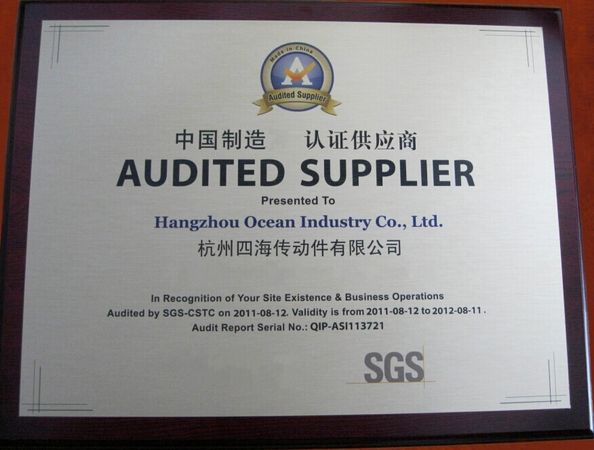
Certification

- I'm Online Chat Now
Company News
What Is Quenching and Tempering (QT)?
What Is Quenching and Tempering (QT)?
Quenching and tempering (QT) is a two‑step heat treatment defined in GB/T 7232-2023 as:A heat treatment process in which a workpiece is quenched and then high‑temperature tempered to form tempered sorbite.
It is used to balance strength, toughness, and ductility for heavily loaded structural components.
1. Core Definition & Process
Key Features
Quenching: Heat steel to austenitizing temperature (typically Ac3 or Ac1 +30–50°C), hold, then cool rapidly (water/oil) to form martensite or bainite. High hardness but high brittleness.
High‑temperature tempering: Reheat quenched steel to 500–650°C, hold, then cool. Martensite decomposes; fine carbides precipitate to form tempered sorbite.
Result: Excellent combined mechanical properties (strength + toughness + ductility) not achievable by single quenching or tempering.
What Is NOT Quenching and Tempering
Single quenching or single tempering
Quenching + low‑temperature tempering (150–250°C)
Quenching + medium‑temperature tempering (350–500°C)
Only quenching + high‑temperature tempering (500–650°C) counts as true QT.
2. Suitable Materials
Quenching and tempering is not for all metals.
Applicable
Medium carbon steels (e.g., 45 steel)
Medium carbon alloy steels (e.g., 42CrMo)
Good hardenability allows full martensite formation and stable tempered sorbite after high‑temperature tempering.
Not suitable
Low‑carbon steels (hard to form enough martensite)
High‑carbon steels (too brittle after quenching)
Cast iron, austenitic stainless steel (304, 316)
Non‑ferrous metals: aluminum, copper, magnesium alloys
They rely on precipitation hardening / age hardening instead.
3. Typical Industrial Applications
Used for critical parts under high static or cyclic loads:
Shafts, gears, spindles
Connecting rods, crankshafts
High‑strength bolts and fasteners
Machine structural components requiring high durability and reliability.
4. Common Misunderstandings
“Any quench‑and‑temper is QT”
Only quenching + high‑temperature tempering is QT.
“Fasteners call all heat treatment ‘QT’”
Industry usage may differ from the national standard.
“Aluminum can be quenched and tempered”
Aluminum uses solution + aging, not QT.
“All steels can be QT”
Only medium‑carbon and alloy steels with sufficient hardenability work well.
5. Summary
Quenching and tempering = quenching + high‑temperature tempering → tempered sorbite
Purpose: balanced strength, toughness, ductility
Main materials: medium‑carbon steels & medium‑carbon alloy steels
Not for non‑ferrous metals, low‑carbon, or high‑carbon steels
Essential for high‑performance structural components in machinery, automotive, and equipment engineering.
Pub Time : 2026-03-20 10:12:08
>> News list
Contact Details
Hangzhou Ocean Industry Co.,Ltd
Contact Person: Mrs. Lily Mao
Tel: 008613588811830
Fax: 86-571-88844378