 |
|
|
|
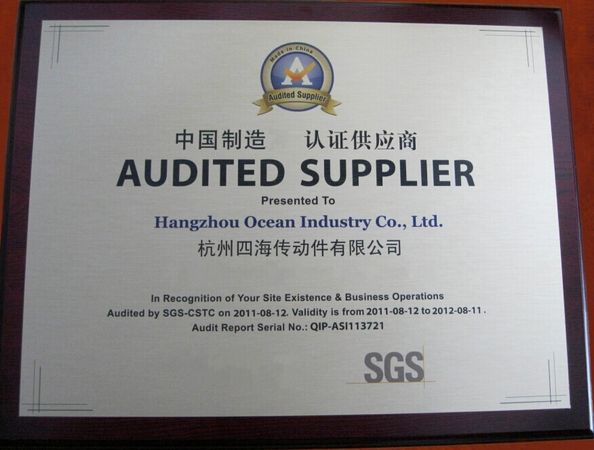
Certification

- I'm Online Chat Now
Misalignment Capacity Plus Flexible Couplings Stainless Steel Max Speed 000 RPM Ideal for Industrial Applications and Machinery

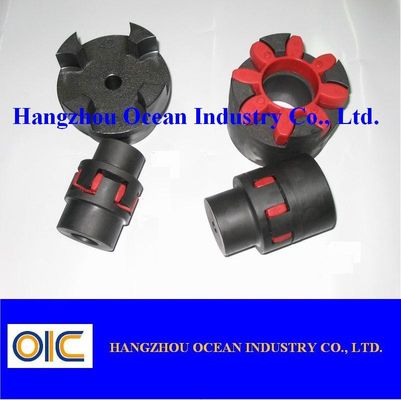
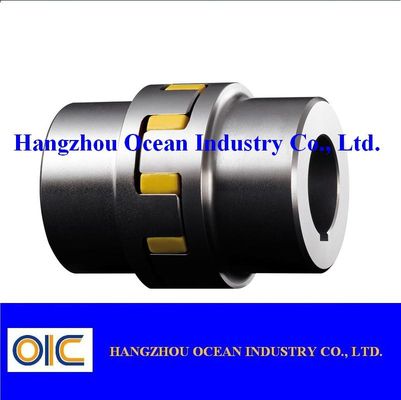
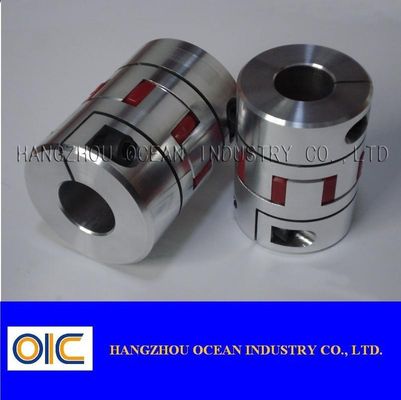
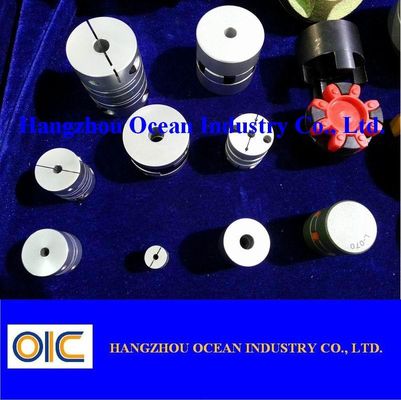
Detailed Product Description
| Misalignment Capacity: | ±3° | Application: | Industrial Machinery |
|---|---|---|---|
| Max Torque: | 500 Nm | Vibration Damping: | Yes |
| Corrosion Resistance: | High | Max Speed: | 10,000 RPM |
| Installation Method: | Bolt-on | Size: | Various Sizes Available |
Product Description:
Flexible couplings are essential components designed to connect two shafts while accommodating misalignment and transmitting torque efficiently. Among various coupling types, flexible couplings stand out due to their ability to absorb vibration, reduce shock loads, and compensate for shaft misalignment. This makes them ideal for applications that demand reliability and durability under dynamic operating conditions.
One of the key features of flexible couplings is their vibration damping capability. Unlike rigid couplings, which transfer vibrations directly between connected shafts, flexible couplings incorporate materials and designs that help isolate and absorb vibrations. This not only protects the connected machinery from excessive wear and tear but also contributes to quieter and smoother operation. The vibration damping property is particularly beneficial in high-speed applications where even minor vibrations can lead to significant mechanical issues over time.
Installation of these flexible couplings is straightforward thanks to their bolt-on method. This design facilitates easy assembly and disassembly, reducing downtime during maintenance or replacement. The bolt-on installation ensures a secure connection between shafts, providing stability and reliability during operation. This convenience makes flexible couplings a preferred choice in various industries, including manufacturing, automotive, and power generation.
When it comes to performance, flexible couplings can handle maximum speeds up to 10,000 RPM. This high-speed capability allows them to be used in applications such as pumps, compressors, conveyors, and industrial machinery that operate at rapid rotational speeds. Maintaining performance at such speeds requires precise engineering and robust materials, both of which are integral to the design of flexible couplings.
Another significant characteristic of flexible couplings is their high torsional stiffness. This means they can resist twisting under load, ensuring efficient torque transmission without significant losses or deformation. High torsional stiffness is crucial for maintaining synchronization between connected shafts, which is vital for the proper functioning of complex machinery. This attribute also contributes to the durability and longevity of the coupling, as it minimizes the risk of mechanical failure due to torsional fatigue.
In the broader context of coupling options, flexible couplings offer distinct advantages over other types such as flange rigid coupling and grid spring coupling. Flange rigid couplings, while providing a solid and secure connection, lack the ability to accommodate misalignment and absorb vibrations, which can lead to increased wear and potential damage in dynamic systems. On the other hand, grid spring couplings do offer some degree of flexibility and vibration damping but generally have lower torsional stiffness compared to flexible couplings. Flexible gear couplings, another related type, combine flexibility with high torque capacity but often involve more complex maintenance requirements.
Flexible couplings effectively bridge the gap between rigid and highly flexible coupling types, offering a balanced solution that combines ease of installation, vibration damping, high-speed capability, and torsional stiffness. This balance makes them highly versatile and suitable for a wide range of industrial applications where reliability and performance are paramount.
In summary, flexible couplings are indispensable components engineered to provide robust, vibration-damping connections between rotating shafts. Their bolt-on installation method, ability to operate at speeds up to 10,000 RPM, and high torsional stiffness make them a superior choice in many mechanical systems. When compared to flange rigid coupling, grid spring coupling, and flexible gear coupling, flexible couplings offer a unique combination of durability, flexibility, and ease of maintenance, ensuring optimal performance across diverse operational environments.
Features:
- Product Name: Flexible Couplings
- Temperature Range: Up To 200°C
- Certifications: ISO 9001, CE
- Installation Method: Bolt-on
- Torsional Stiffness: High
- Vibration Damping: Yes
- Suitable for Fire Hose Couplings applications
- Features a Flexible Element Coupling design for enhanced performance
- Ideal as a Flexible Shaft Coupling for various mechanical systems
Technical Parameters:
| Certifications | ISO 9001, CE |
| Connection Type | Flange |
| Installation Method | Bolt-on |
| Max Torque | 500 Nm |
| Color | Silver |
| Misalignment Capacity | ±3° |
| Vibration Damping | Yes |
| Corrosion Resistance | High |
| Temperature Range | Up To 200°C |
| Max Speed | 10,000 RPM |
Applications:
The MW Flexible Couplings, manufactured in China, are designed to offer superior performance and durability in a wide range of industrial applications. With a temperature tolerance of up to 200°C and a maximum torque capacity of 500 Nm, these couplings are well-suited for demanding operational environments where reliability and efficiency are paramount. Certified with ISO 9001 and CE, the MW Flexible Gear Couplings meet rigorous quality and safety standards, ensuring consistent and dependable performance in various mechanical systems.
These flexible couplings are commonly used in scenarios where precise torque transmission and vibration damping are critical. Their high torsional stiffness provides excellent resistance to torsional vibrations, making them ideal for high-speed rotating equipment such as pumps, compressors, and generators. The flexibility of MW couplings allows for slight misalignments between connected shafts, reducing wear and extending the lifespan of machinery components. This makes them a preferred choice in manufacturing plants, power generation facilities, and heavy machinery applications.
In addition, MW Flexible Gear Couplings are frequently employed in the automotive and aerospace industries, where precision and the ability to withstand harsh operating conditions are essential. They accommodate angular, parallel, and axial misalignments, which helps in maintaining smooth power transmission even under fluctuating loads. Their robust design also makes them suitable for use in conveyor systems, steel mills, and mining equipment, where mechanical stress and temperature variations are common challenges.
Moreover, these couplings are invaluable in maintenance and repair operations, where replacing rigid couplings with flexible ones can enhance system performance and reduce downtime. The ease of installation and adaptability of MW Flexible Couplings enable engineers to implement them in a variety of mechanical assemblies without extensive modifications. Wh applied in industrial machinery, energy sector equipment, or transportation systems, MW flexible couplings demonstrate exceptional versatility and reliability.
Overall, the MW Flexible Couplings stand out as a high-quality solution for industries requiring robust, flexible, and high-torque coupling systems. Their ability to operate efficiently in temperatures up to 200°C, combined with certifications like ISO 9001 and CE, ensures that they meet international standards for performance and safety. These couplings are an excellent choice for engineers and technicians looking for dependable flexible gear coupling options to optimize machine operation and durability.
Customization:
MW offers comprehensive product customization services for our Flexible Couplings, designed to meet diverse industrial needs. Our Flexible Diaphragm Coupling, Flexible Metal Coupling, and Flexible Element Coupling are all manufactured in CHINA under strict quality controls and certified with ISO 9001 and CE standards. These flexible couplings feature a flange connection type and can operate efficiently within a temperature range of up to 200°C.
With a misalignment capacity of ±3°, our flexible couplings provide reliable performance in various applications requiring flexibility and durability. Although the model number is not specified, MW ensures each customized coupling is tailored to your exact specifications, combining precision engineering with robust materials to deliver optimal performance.
Choose MW for flexible couplings that offer excellent adaptability and quality, including Flexible Diaphragm Coupling, Flexible Metal Coupling, and Flexible Element Coupling options, all designed to enhance your machinery's operational efficiency and longevity.
Support and Services:
Our Flexible Couplings are designed to provide reliable and efficient performance in a variety of industrial applications. To ensure optimal operation, it is important to follow proper installation, maintenance, and troubleshooting procedures.
Installation: Before installation, verify that the coupling components are free from damage and debris. Align the shafts accurately to prevent undue stress on the coupling. Use the recommended tools and torque specifications to secure the coupling components.
Maintenance: Regular inspection of the flexible coupling is essential to detect wear, misalignment, or damage. Check for signs of corrosion, cracks, or deformation. Lubricate parts as specified in the product manual to maintain flexibility and reduce friction.
Troubleshooting: Common issues include vibration, noise, and premature wear. These problems often result from misalignment, overloading, or improper installation. Ensure that the coupling is installed according to guidelines and operating within the specified load limits. Replace any worn or damaged parts promptly to avoid further damage.
For detailed instructions, technical documentation, and support resources, please refer to the product manual or our online support portal. Our technical support team is available to assist with any questions or issues related to the Flexible Couplings product.
Packing and Shipping:
Each Flexible Coupling is carefully packaged to ensure maximum protection during transit. The couplings are individually wrapped in protective material and placed in sturdy, custom-sized boxes designed to prevent movement and damage.
For bulk orders, items are securely packed in reinforced cartons with appropriate cushioning to safeguard against shocks and vibrations. All packages are clearly labeled with product information, handling instructions, and shipping details to facilitate smooth delivery.
We use reliable shipping partners to guarantee timely and safe arrival of your Flexible Couplings. Tracking information will be provided once the order is dispatched, allowing you to monitor the shipment until it reaches your destination.
FAQ:
Q1: What is a flexible coupling used for?
A flexible coupling is used to connect two shafts tog while accommodating slight misalignments, reducing vibration, and protecting components from shock loads.
Q2: What brand manufactures this flexible coupling?
The flexible coupling is manufactured by the brand MW.
Q3: Where is the MW flexible coupling made?
This flexible coupling is made in China.
Q4: Is there a specific model number for this flexible coupling?
No, this flexible coupling does not have a specific model number assigned.
Q5: What materials are used in the MW flexible coupling?
The MW flexible coupling is typically made from high-quality metal alloys and elastomeric elements to ensure durability and flexibility.
Contact Details
Hangzhou Ocean Industry Co.,Ltd
Contact Person: Mrs. Lily Mao
Tel: 008613588811830
Fax: 86-571-88844378
Other Products
-
Flange Coupling, type 224 , 250 , 280 , 315 , 355 , 400 , 450 , 560 , 630
-
Double cardanic type DKM Coupling , Size 38 , 42 , 48 MM
-
Chain Coupling, type 5018 , 6018 , 6020 , 6022 , 8018 , 8020
-
Cast Material Rotex Coupling ,Size 19 , 24 , 28 , 38 , 42 MM
-
Nylon Sleeve Flexible Coupling NL1 / NL2 / NL3 / NL4 / NL5 / NL6 / NL7 / NL8 / NL9 / NL10
-
Flange Coupling, type 90 , 100 , 112 , 125 , 140 , 160 , 180 , 200