 |
|


|
|
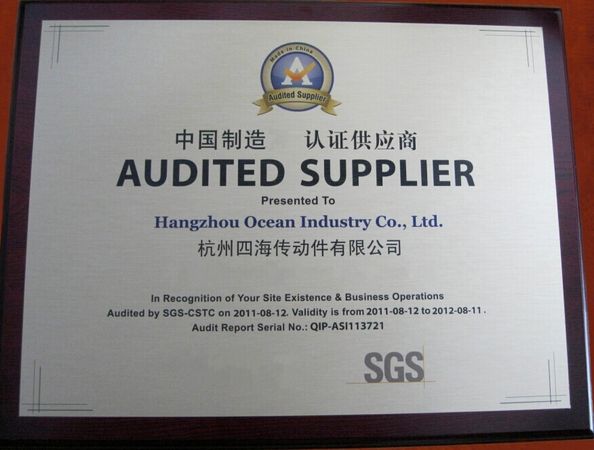
Certification

- I'm Online Chat Now
Company News
Complete Industry Guide to Conveyor Chains: Structure, Material, Selection & Maintenance
1. Definition
A conveyor chain is a vital load‑bearing and power‑transmission component specially designed for continuous conveying equipment. By meshing precisely with driving sprockets, it transmits driving force to steadily carry bulk solids, packaged goods, pallets and heavy‑duty workpieces throughout production and logistics systems. It serves as the core transport medium across automated workshops, storage‑sorting warehouses, food processing lines, metallurgical plants, mining sites and other industrial scenarios, realizing stable, long‑distance and uninterrupted material handling.
2. Main Material Grades & Surface Treatments
- Carbon Steel Conveyor Chain Cost‑effective with reliable tensile strength and moderate impact resistance. Suited for normal‑temperature, non‑corrosive working conditions such as aggregate transportation and general assembly lines. Common surface treatments include black oxide painting, hot‑dip galvanization and electroplating to improve anti‑rust performance against light moisture and dust.
- Stainless‑Steel Conveyor Chain Manufactured from 304 or 316 stainless steel. Outstanding corrosion resistance, high‑temperature tolerance and easy‑to‑clean features make it ideal for hygienic‑critical industries including food & beverage, pharmacy and aquatic processing. It withstands frequent water washing, weak acid and alkali cleaning without rusting.
- Alloy Steel Heavy‑Duty Conveyor Chain Fabricated from high‑strength alloy steel and processed with quenching and tempering heat treatment. Superior wear resistance, fatigue resistance and heavy‑load bearing capacity. Widely adopted in harsh working environments of mining, cement production, thermal power and heavy metallurgy under large impact loads.
3. Detailed Structural Composition
- Pin: The hinge shaft of the chain, bearing shear force and friction during chain articulation. Surface hardening treatment improves wear life.
- Bushing: Assembled with pins to form the flexible hinge pair, reducing direct friction between pins and inner plates during bending movement.
- Roller: Contacts with sprocket teeth and guide rails. It rolls freely during operation to lower running resistance and abrasion.
- Inner & Outer Plates: Main tensile‑bearing parts of the whole chain, transferring tension force section by section. Plates for heavy‑load models adopt thicker gauge and high‑hardness material.
- Attachments: Custom‑fabricated side tabs, extended pins, top carrier plates, angle brackets and special fixtures, used for transporting irregular‑shaped materials, workpieces and containers.
4. Core Technical Performance Parameters
- Breaking Load: The ultimate tension value at which the chain breaks under static tensile testing, reflecting the maximum destructive force the chain can bear.
- Allowable Working Load: The safe long‑term load limit for continuous operation, calculated with safety factors considering shock, speed and service environment.
- Chain Pitch: The centre‑to‑centre distance between two neighbouring pins. It is the fundamental dimension for model selection, sprocket design and equipment layout.
- Wear Elongation: The length increase caused by continuous friction between pins and bushings during long‑time running, a key indicator for chain replacement.
- Operating Temperature Range: Chains are classified into normal‑temperature, high‑temperature resistant and low‑temperature resistant types to adapt to different thermal conditions.
- Surface Hardness: Hardness value of pins, bushings and rollers after heat treatment, directly determining wear service life.
5. Typical Product Classifications by Function & Structure
- General‑Purpose Conveyor Chains: Standard dimensional chains for light‑to‑medium load conditions, widely used in packaging lines and logistic conveying systems.
- Heavy‑Duty Conveyor Chains: Reinforced thick plates, solid rollers and oversized pins for transporting heavy bulk materials in mines and building‑material factories.
- Flat‑Top Conveyor Chains: Equipped with smooth wide carrier plates, suitable for stable conveying of cartons, glass bottles, cans and packaged commodities.
- Forged Scraper Chains: Matched with scraper blades, applied for enclosed delivery of powder, granular and viscous bulk materials.
- Special‑Environment Custom Chains: High‑temperature resistant chains for furnace transport, anti‑corrosion chemical‑resistant chains, self‑lubricating oil‑free chains for clean workshops and low‑noise silent chains.
6. Standard Installation & Daily Maintenance Specifications
- Align driving and driven sprocket axes in parallel. Ensure the chain meshes evenly with sprocket teeth without deflection or offset.
- Adjust proper chain tension. Excessively tight installation accelerates hinge wear and energy consumption; excessive slack results in tooth jumping, chain dropping and impact vibration.
- Apply suitable lubricant on hinge joints regularly according to working speed and dust level. Lubrication reduces friction heat and prolongs service life significantly.
- Inspect chain elongation periodically. Replace the whole chain once wear elongation exceeds the permitted threshold to prevent unexpected equipment shutdown.
- Avoid frequent overload startup, sharp impact loading and foreign‑body jamming during production operation. Clean dust, debris and corrosive residues on the chain surface on a regular basis.
7. Cross‑Industry Application Scenarios
- Food & Beverage Industry: Bottling production lines, bakery ovens, canned food conveying, fruit sorting and packaging processes.
- Logistics & Automated Warehousing: Automated sorting systems, pallet conveyors, parcel transport lines and warehouse stacking equipment.
- Metallurgy & Thermal Power: High‑temperature clinker transfer, slag conveying and furnace material transportation.
- Construction Material & Mining: Ore, stone, cement raw material and clinker delivery.
- Automotive Manufacturing: Workshop assembly lines, painting production lines and vehicle‑body handling conveyors.
- Agriculture & Aquatic Products: Grain drying lines, seafood processing and frozen‑food transport conveyors.
8. Main Failure Modes & Root Causes
- Hinge Wear & Chain Elongation: Caused by insufficient lubrication, dusty environment and long‑term cyclic friction between pins and bushings.
- Fatigue Cracking of Chain Plates: Produced under repeated cyclic tension and periodic impact loads.
- Roller and Bushing Abrasion: Resulting from continuous rolling friction against sprockets and guide rails.
- Corrosion Damage: Occurs in humid, salty or chemically corrosive working conditions without proper material selection or surface protection.
- Tooth‑Skipping and Chain‑Falling: Triggered by serious wear of chains and sprockets, insufficient tension or misaligned sprockets.
- Overload Breakage: Caused by sudden heavy impact load exceeding the chain’s allowable working load.
9. Selection Principles for Conveyor Chains
- Confirm actual working load, operating speed and conveying distance first.
- Evaluate the service environment including temperature, humidity, dust and corrosive medium to choose proper material and surface treatment.
- Select attachments and accessories according to the shape and weight of conveyed goods.
- Reserve a reasonable safety factor to cope with instantaneous impact and startup load.
- Match the corresponding sprocket specifications strictly according to the confirmed chain pitch.
Pub Time : 2026-09-07 22:00:59
>> News list
Contact Details
Hangzhou Ocean Industry Co.,Ltd
Contact Person: Mrs. Lily Mao
Tel: 008613588811830
Fax: 86-571-88844378