 |
|
|
|
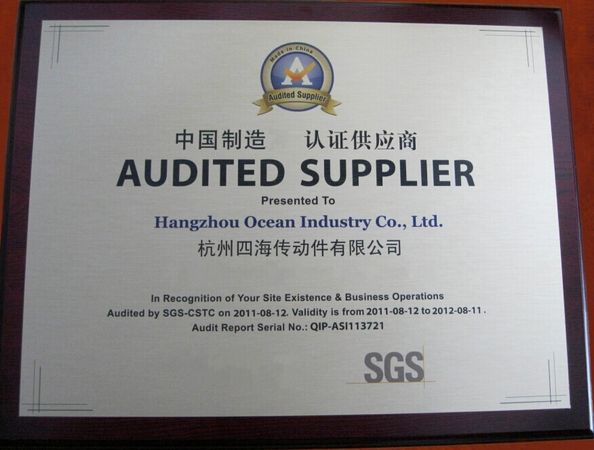
Certification

- I'm Online Chat Now
Company News
Comprehensive Guide to Metal Passivation Films – Properties, Thickness & Industrial Applications
Introduction
Passivation is a core surface finishing technology widely adopted for stainless steel, galvanized steel, aluminum alloy, copper and silver components across machinery, medical, food, automotive, electronics and aerospace industries. Though all named “passivation”, the film formation mechanism, surface characteristics, thickness range and applicable scenarios differ drastically among various metal substrates.
Passivation films fall into two major categories in manufacturing: natural oxide passive films formed spontaneously on metal surfaces, and chemical conversion films generated by controlled chemical treatment. The film thickness ranges from several nanometers to hundreds of nanometers, while electroplating and anodizing coatings reach micrometer scale with totally different functional orientations. This guide systematically sorts out the specifications, performance limits and application boundaries of passivation films on mainstream metals for mechanical design and surface treatment engineers.
1. Thickness Comparison of Typical Passivation Films
All thickness data are representative test values from industrial research papers; actual thickness varies based on alloy grade, surface roughness, chemical formula and processing parameters.
| Metal Substrate & Passivation Type | Typical Film Thickness | Core Functional Value | Main Industrial Applications |
|---|---|---|---|
| Natural passive film on stainless steel | 1–3 nm | Block metal dissolution, retain inherent corrosion resistance | 304, 316 stainless raw parts |
| Chemically passivated stainless steel film | Several nanometers | Eliminate surface free iron, enrich chromium oxide on surface | Machined components, welded assemblies, cleanroom & pharmaceutical equipment |
| Trivalent chromium conversion film on galvanized steel | 90–500 nm (0.09–0.5 μm) | Slow zinc layer corrosion, optimize appearance and sealing performance | Fasteners, stamping brackets, automotive structural parts |
| Trivalent chromium conversion film on aluminum alloy | 40–120 nm (0.04–0.12 μm) | Boost corrosion resistance & paint adhesion, maintain low contact resistance | Electronic housings, chassis, grounding and shielding joints, pre-coating treatment |
| Benzotriazole protective film on copper | Several to tens of nanometers | Prevent copper oxidation and discoloration | Conductive terminals, electrical contacts, decorative copper components |
Reference: Micron-Scale Surface Coatings for Contrast
These layers are far thicker than passivation films and serve as independent protective systems:
- Electro-galvanized coating: 5–25 μm – Sacrificial anti-corrosion layer for steel substrate
- Standard aluminum anodizing film: 5–25 μm – High hardness, insulation and wear resistance
- Hard aluminum anodizing film: 30–60 μm – Heavy-duty wear-resistant structural parts
2. Stainless Steel Passivation Film (1–3 nm Ultra-Thin Barrier)
2.1 Film Composition & Formation Principle
Stainless steel’s anti-corrosion capability originates from an ultra-thin oxide/hydroxide passive film rich in chromium. Untreated 316L stainless steel carries a native ~2 nm double-layer passive film. Chemical passivation does not thicken the film significantly; its core effect is selective dissolution of surface free iron and rearrangement of chromium oxide to form a denser, more stable barrier.
Passivation is essentially a deep cleaning & surface optimization process, rather than depositing an extra thick coating on the metal surface.
2.2 Key Performance Characteristics
- Corrosion resistance: Inhibit matrix dissolution, the fundamental guarantee of stainless steel’s rust-proof property
- Self-healing capacity: Minor surface scratches can regenerate intact passive film under aerobic conditions
- Dimensional impact: Negligible thickness brings zero interference to precision fit dimensions
- Appearance: Retain original metallic luster without covering texture, scratches or weld marks
- Limitation: No filling or masking effect on surface defects like pits, deep scratches and welding discoloration; cannot upgrade base steel’s inherent corrosion grade
2.3 Applicable & Unsuitable Working Conditions
Ideal Parts for Stainless Steel Passivation
Austenitic stainless steel (304/316), ferritic, martensitic, duplex and precipitation-hardened stainless machined parts, food processing equipment, medical valves, pipe fittings, welding vessels and cleanroom structural frames. It is mandatory for components contaminated with carbon steel abrasives or tool iron during machining to avoid rust spots.
Scenarios Where Passivation Cannot Solve Problems
- Severe surface defects (deep scratches, weld scale, pitting corrosion) – passivation cannot eliminate physical flaws
- High-chloride environments (seawater, chlorine-containing cleaning fluid) – material grade selection dominates anti-corrosion performance over passivation
- Distinguish pickling and passivation: Pickling removes oxidation scale and chromium-depleted heat tint; passivation removes free iron pollutants. Pickling is unnecessary if no obvious oxide scale exists. Sealing surfaces, precision threads and low-roughness mating faces require partial masking to avoid dimensional damage from pickling.
3. Trivalent Chromate Passivation Film on Galvanized Steel (0.1–0.5 μm)
3.1 Layer Structure
The full protection system for galvanized carbon steel consists of two layers: a micrometer-level electroplated zinc base layer for sacrificial corrosion protection, plus a thin trivalent chromium conversion film stacked on top to slow the zinc layer from generating white rust. The conversion film thickness accounts for less than 1% of the underlying zinc coating.
3.2 Performance & Color Rules
- Corrosion resistance: Dramatically extend salt spray life; matched with post-sealing treatment for optimal performance
- Appearance: Transparent, blue-white, iridescent or black films available depending on chemical bath formula; film thickness and light interference determine color shade
- Critical note: Color cannot judge film thickness or anti-corrosion performance – different bath formulas with identical color show huge gaps in compactness and salt spray resistance
- Weakness: Thin film with poor friction resistance; assembly abrasion and repeated disassembly will break the protective layer locally
3.4 Typical Application Range
Carbon steel & low-alloy steel fasteners, stamping clamps, spring plates, automotive brackets and general mechanical structures. High-corrosion environments adopt zinc-nickel alloy plating + passivation + sealing; high-tensile bolts must assess hydrogen embrittlement risks from pickling and electroplating procedures.
4. Aluminum Alloy Trivalent Chromium Conversion Film (40–120 nm)
4.1 Definition & Industry Aliases
Aluminum “passivation” in manufacturing refers to chemical conversion treatment, commonly named conductive oxidation, chemical oxidation or chromate conversion in workshop drawings. Hexavalent chromium formulas are gradually replaced by eco-friendly trivalent chromium systems compliant with global environmental standards. Test data on 2024-T3 and 7075-T6 aluminum show film thickness ranges of 40–120 nm and 60–100 nm respectively, with uneven film growth around alloy second-phase particles.
4.2 Core Advantages vs Anodizing
| Comparison Item | Aluminum Chemical Conversion Film | Aluminum Anodizing Film |
|---|---|---|
| Thickness grade | Dozens to 120 nanometers | 5–60 micrometers |
| Dimensional change | Minimal, fit for precision assemblies | Obvious thickness growth, must reserve tolerance for matching surfaces |
| Electrical performance | Low contact resistance, suitable for grounding & electromagnetic shielding | High insulation property |
| Wear resistance | Weak, cannot bear heavy friction | Excellent hardness and abrasion resistance |
| Main usage | Pre-treatment before painting, corrosion protection, conductive joint processing | Wear resistance, insulation, decorative coloring |
4.3 Preferred Application Scenarios
Electronic device enclosures, aerospace structural parts, spray primer substrates, circuit grounding terminals and electromagnetic shielding lap joints. The ultra-thin film is prioritized for assemblies requiring strict dimensional stability and low contact resistance.
5. Passivation & Anti-Tarnish Film on Copper & Silver Parts
Copper and silver passivation mainly targets surface discoloration and oxidation prevention. The mainstream treatment uses benzotriazole organic inhibitors to form a complex protective film ranging from single molecular adsorption layers to tens of nanometers thick.
Film thickness varies drastically with bath concentration, processing time, oxygen content and surface pretreatment. Though the coating is ultra-thin, it directly affects contact resistance, welding and bonding performance. For electrical terminals and signal contacts, electrical conductivity maintenance takes priority over film thickness control. Silver anti-tarnish films follow the same rule, with poor tolerance to sulfur-containing atmosphere, sweat and unstable packaging materials.
6. Key Factors Causing Passivation Film Thickness Variation
- Base metal composition: Chromium, nickel, molybdenum content in stainless steel; copper/zinc/magnesium precipitates in aluminum alloys alter film growth rate
- Surface roughness: Matte blasting, turning finish and casting surfaces feature larger specific surface area, leading to uneven film thickness on peaks and valleys
- Chemical bath formula: Hexavalent chromium, trivalent chromium, chromium-free zirconium and organic systems produce films with multiple times thickness gaps
- Processing cycle & bath condition: Conversion film growth does not follow linear thickening; over-treatment causes loose, cracked film and local dissolution
- Post-treatment: Dehydration aging and sealing agents add extra organic layers, making measured total thickness far exceed the pure conversion film thickness
7. Selection Guide for Mechanical Design Engineers
| Component Demand | Recommended Surface Treatment System | Core Focus Points |
|---|---|---|
| 304/316 machined stainless steel parts | Stainless steel chemical passivation | Remove free iron, surface cleanliness, salt spray resistance |
| Stainless steel welded frames | Pickling + passivation combo | Eliminate weld heat tint and chromium-depleted zones |
| Carbon steel fasteners & supports | Electro-galvanizing + trivalent chromate passivation + sealing | Zinc coating thickness, white rust resistance, hydrogen embrittlement |
| Aluminum casings for painting | Trivalent chromium conversion film | Paint adhesion, uniform film coverage |
| Aluminum grounding & shielding joints | Low-resistance chromium-free conversion film | Contact resistance stability under long-term operation |
| Aluminum wear-resistant moving parts | Hard anodizing | Film thickness, surface hardness, dimensional tolerance offset |
| Copper conductive terminals & contact shims | Organic anti-tarnish passivation | Solderability, stable low contact resistance |
Conclusion
Passivation films across different metal substrates differ in thickness by hundreds of times: stainless steel passive film (1–3 nm), aluminum & zinc conversion films (40–500 nm), copper organic protective films (several to tens of nanometers). Their shared trait is ultra-thin thickness with negligible dimensional influence on precision components, focusing on stabilizing surface activity and delaying corrosion, rather than boosting hardness or wear resistance.
When wear resistance, insulation or obvious surface thickness gain is required, engineers should select anodizing, hard coating, chemical plating or other thick surface modification processes instead of passivation.
Pub Time : 2026-07-24 10:46:34
>> News list
Contact Details
Hangzhou Ocean Industry Co.,Ltd
Contact Person: Mrs. Lily Mao
Tel: 008613588811830
Fax: 86-571-88844378